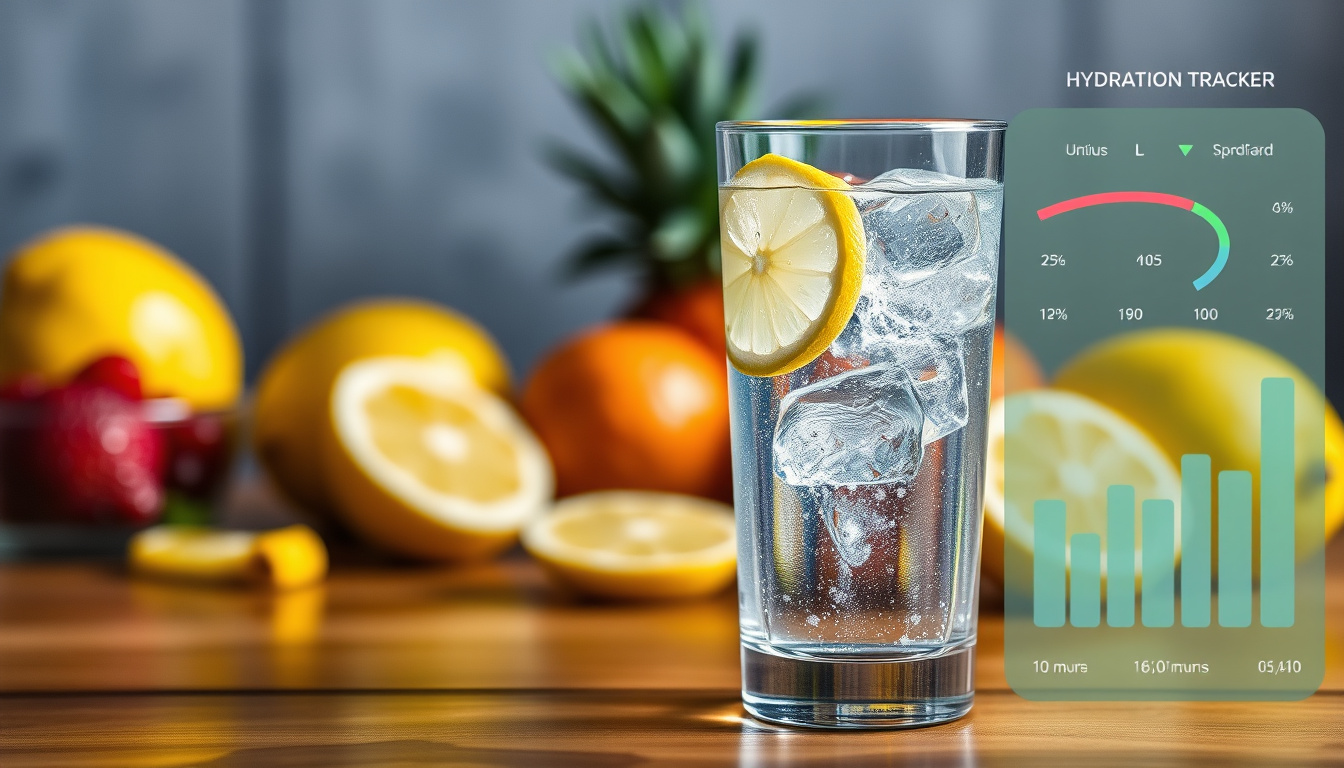

You’ve probably stood in the grocery aisle wondering if that can of sparkling water is actually good for your health — or just another drink with hidden downsides. Here’s what the evidence shows: plain sparkling water hydrates just as well as still water, but its acidity and carbonation can cause issues for people with sensitive digestion or dental concerns.
Calories per 8 oz: 0 ·
pH range: 3–4 ·
US market growth: 12% annually ·
Daily water need (women): 91 oz ·
Daily water need (men): 125 oz ·
US adults drinking weekly: 27%
Quick snapshot
- Hydrates as well as still water (MouthHealthy (American Dental Association))
- Zero calories when plain (MouthHealthy (American Dental Association))
- pH 3–4 can erode enamel over time (UCLA Health)
- 100× less erosive than soda (MouthHealthy (American Dental Association))
- Flavored or citrus varieties more acidic (Children’s Dent)
- May worsen IBS and GERD (Pinecrest DDS)
- Replaces sugary drinks (MouthHealthy (American Dental Association))
- Increases satiety (MouthHealthy (American Dental Association))
- No calorie contribution (UCLA Health)
Six numbers, one pattern: plain sparkling water sits between neutral water and acidic beverages, offering hydration with very few downsides for most people.
| Fact | Value |
|---|---|
| Calories per 8 oz | 0 kcal |
| Typical pH | 3–4 |
| Enamel erosion risk vs soda | 100× less erosive |
| Hydration effectiveness | Equal to still water |
| US daily water need for men | 125 oz (3.7 L) |
| US daily water need for women | 91 oz (2.7 L) |
Is it healthy to drink sparkling water daily?
Daily hydration equivalence with still water
- Sparkling water provides the same hydration as still water, according to a study in Nutrition Reviews cited by UCLA Health.
- Your body absorbs carbonated water exactly the same way — the bubbles don’t change hydration status.
Impact on digestion and bloating
- For healthy individuals, moderate daily intake (up to 3–4 cans) shows no evidence of serious harm (UCLA Health).
- People with IBS or sensitive stomachs may experience bloating, gas, or belching because carbonation can distend the gut (Pinecrest DDS).
Effect on dental enamel with frequent consumption
- Plain sparkling water (pH ~5.25 for Perrier) is minimally corrosive per the ADA, but flavored varieties with citric acid can lower pH further (Children’s Dent).
What are sparkling water’s pros and cons?
Zero calories and sugar-free benefit
- Plain sparkling water contains no added sugars or artificial sweeteners, making it a default choice for anyone cutting calories (Wynne Family Dental).
Potential acidity and enamel erosion risk
- Sparkling water’s pH of 3–4 is more acidic than still water (pH 7). A Journal of the American Dental Association study found it 100 times less erosive than soda, but still capable of wearing enamel over decades of heavy intake (UCLA Health).
- Flavored sparkling waters with citric acid may approach the acidity of orange juice (pH 3.5) and should be consumed with meals (Children’s Dent).
Better alternative to soda and sugary drinks
- Replacing a 12 oz soda with sparkling water cuts 150–200 calories per serving (Wynne Family Dental).
- Carbonation may even improve satiety — a study in the Journal of Nutrition Science found that participants who drank carbonated water before a meal consumed fewer calories (Dentistry in Paradise).
Sparkling water is a stellar soda replacement, but its acidity means it’s not completely neutral for teeth. The net benefit for most people — fewer calories and less sugar — outweighs the minor enamel risk, especially if you drink plain versions and use a straw.
The implication: swapping soda for sparkling water reduces sugar intake, but acidity remains a consideration for long-term dental health.
How much sparkling water can I drink in a day?
General daily limits for healthy adults
- No official upper limit exists for sparkling water. The Institute of Medicine recommends total water intake of 125 oz for men and 91 oz for women — sparkling counts toward that (UCLA Health).
- Moderate intake (3–4 cans daily) is considered safe for most adults.
Signs you’re drinking too much seltzer
- Excessive consumption can cause belching, abdominal distention, and discomfort. In people with GERD, carbonation may relax the lower esophageal sphincter, worsening acid reflux (Pinecrest DDS).
Special considerations for kidney patients
- The National Kidney Foundation advises kidney disease patients to avoid sparkling water because of added phosphorus in some brands. For people with healthy kidneys, there is no evidence that sparkling water causes kidney stones or damage (UCLA Health).
Kidney patients face a real phosphorus risk from certain sparkling waters; check labels. For everyone else, the primary limit is digestive comfort, not toxicity.
The pattern: for healthy adults, the main limit is digestive comfort rather than toxicity.
Is sparkling water good for your teeth?
Acid erosion risk from carbonation
- Carbonated water has a pH between 3 and 4, which can erode enamel with heavy, frequent exposure. However, a study in the Journal of the American Dental Association found plain sparkling water is 100 times less erosive than soda (Dentistry in Paradise).
- Saliva production actually increases with carbonation, which helps neutralize acids and may protect teeth (Dentistry in Paradise).
Comparison with soda acidity
- Cranberry juice (pH 2.5) is far more acidic than sparkling water; soda, sports drinks, and fruit juices are all worse (UCLA Health).
- Plain sparkling water (e.g., Perrier pH 5.25) is barely on the radar for enamel damage when consumed normally.
Tips to minimize dental damage
- Drink through a straw to bypass front teeth.
- Avoid swishing carbonated water in your mouth.
- Rinse with plain water after drinking.
- Choose plain over citrus-flavored varieties (Children’s Dent).
“Sparkling water is far better for teeth than sugary drinks, but if you’re drinking citrus-flavored sparkling water all day, you’re still exposing your enamel to acid.”
— Dentist, American Dental Association
Is sparkling water good for weight loss?
Satiety effects of carbonation
- Participants who consumed carbonated water before a meal reported feeling fuller and ate 6% fewer calories on average, per a study in the Journal of Nutrition Science (Dentistry in Paradise).
Calorie-free substitution for sugary drinks
- Replacing two daily sodas with sparkling water cuts at least 300 calories — enough to lead to a 2–3 pound weight loss over a month without any other changes (Wynne Family Dental).
Potential appetite suppression
- Carbonation may trigger stretch receptors in the stomach, creating a feeling of fullness that can reduce snacking.
Sparkling water isn’t a fat burner, but it’s a powerful tool for appetite control and calorie reduction. Anyone trying to cut weight should swap at least one daily soda for it — the carbonation helps with satiety, not just taste.
What this means: sparkling water aids weight loss mainly through calorie substitution and satiety, not direct fat burning.
Upsides
- Zero calories and sugar
- Hydrates as well as water
- May improve satiety and reduce appetite
- Encourages higher fluid intake
Downsides
- Acidity can erode enamel over decades
- May cause bloating in sensitive individuals
- Flavored versions add acid risk
- Not suitable for kidney disease patients (phosphorus)
Confirmed facts vs. what’s still unclear
Confirmed facts
- Sparkling water provides equal hydration to still water (UCLA Health).
- Plain sparkling water is far less damaging to teeth than soda — 100× less erosive (UCLA Health).
- Zero-calorie sparkling water supports weight management when replacing sugary drinks (Wynne Family Dental).
- Carbonation can cause bloating in people with IBS or GERD (Pinecrest DDS).
What’s unclear
- Whether long-term daily consumption of flavored sparkling water damages enamel significantly more than plain
- The exact dose threshold for kidney harm in healthy individuals
- If carbonation affects appetite hormones independently of the placebo effect
- Whether sparkling water reduces bloating in some individuals – evidence is anecdotal
“Sparkling water is a fantastic hydration option — it hydrates just as well as still water and helps people drink more fluids.”
— Registered dietitian
“Patients with kidney disease need to be cautious: some sparkling waters contain added phosphorus that can stress kidneys.”
— Nephrologist, National Kidney Foundation
The research is clear for most people: sparkling water is a safe, calorie-free hydration tool that beats soda hands down. The real risks — enamel erosion and digestive discomfort — are dose-dependent and manageable with simple habits like using a straw and choosing plain over flavored. For the average American adult drinking 27% of their weekly fluids as sparkling water, the net effect is positive: fewer calories, better hydration, and a swap that supports weight management. For kidney patients and those with reflux, the choice is more nuanced. For everyone else, the decision is straightforward: drink it without guilt, but pay attention to how your teeth and stomach respond.
For those curious about other infused waters, exploring lemon waters health effects can offer a similar breakdown of benefits and risks.
Frequently asked questions
Does sparkling water count toward daily water intake?
Yes — sparkling water hydrates just as well as still water and can be counted toward your daily fluid needs (125 oz for men, 91 oz for women) according to the Institute of Medicine (UCLA Health).
Can sparkling water cause kidney stones?
No — there is no evidence that plain sparkling water causes kidney stones in healthy individuals. The National Kidney Foundation only warns about added phosphorus in some brands for kidney disease patients (UCLA Health).
Is flavored sparkling water bad for you?
Flavored sparkling water, especially varieties with added citric acid, can be more acidic and potentially more erosive to enamel. Plain is safer for teeth (Children’s Dent).
Does sparkling water dehydrate you?
No — sparkling water provides exactly the same hydration as still water. The bubbles make no difference in how the body absorbs water.
Can you drink sparkling water on a keto diet?
Yes — plain sparkling water contains zero calories and zero carbs, making it ideal for keto. Just avoid added sugar or sweeteners.
Is sparkling water bad for bone density?
No — carbonation does not affect bone density. A 2006 Framingham study found that cola, not carbonated drinks in general, was linked to lower bone density in older women (UCLA Health).
Does sparkling water cause bloating?
Yes — carbonation can cause gas and bloating, especially in people with IBS or GERD. Drinking it slowly may reduce discomfort (Pinecrest DDS).
Is sparkling water safe during pregnancy?
Yes — plain sparkling water is safe during pregnancy. It helps meet increased fluid needs without added sugar. Avoid brands with artificial sweeteners or caffeine.
Related stories



Amelia Blackwell covers the economy, business and consumer affairs for Press Hive.