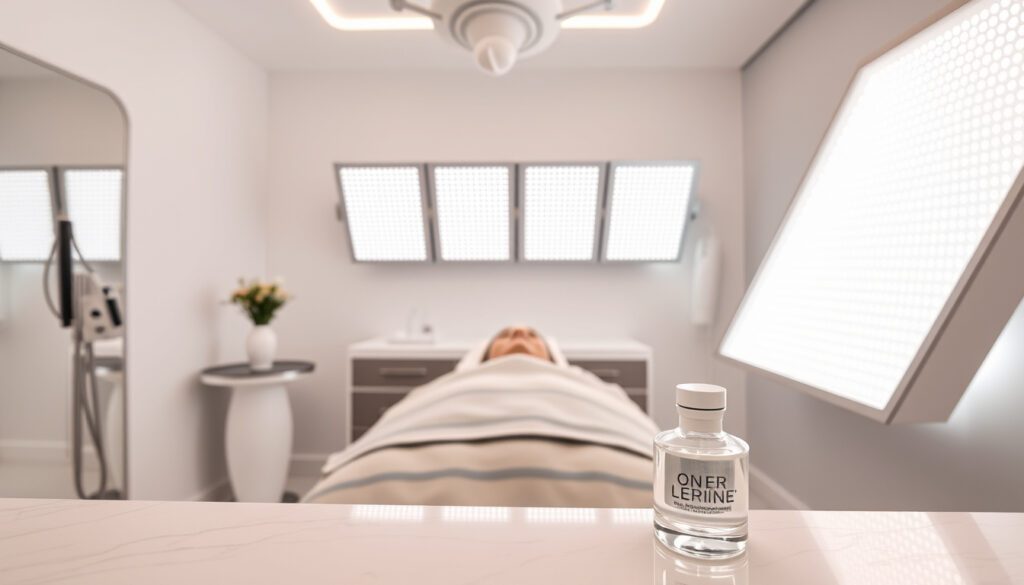
Non Surgical Face Lift: Costs, Methods & Results in Ireland
If you’ve been staring into the mirror and wondering whether a fresher, more lifted look is possible without surgery, you’re not alone. Non-surgical face lifts have become one of the most popular aesthetic treatments in Ireland, with over 24 clinics in Dublin alone offering them.
Average cost per session in Dublin: €138–€500 ·
Common treatments per facelift: 3–5 combined procedures ·
Downtime: 0–2 days ·
Results duration: 6–18 months ·
Clinics in Dublin offering non-surgical facelifts: 24+
Quick snapshot
- Non-surgical facelifts improve skin firmness and reduce wrinkles (Turkey Luxury Clinics).
- Thread lifts provide immediate lift; fillers restore volume (Draesthetica).
- Results are temporary and require maintenance (BeautyBarn BB).
- Long-term safety of repeated thread lifts is not fully established (Turkey Luxury Clinics).
- Comparative effectiveness of different methods lacks large-scale head-to-head trials (Draesthetica).
- Pricing for combined packages in Ireland is not standardised across clinics (Draesthetica).
- The “20-minute permanent facelift” is a thread lift that takes about 20 minutes but is not permanent — threads dissolve over 12–18 months (BeautyBarn BB).
- Combination treatments (fillers + energy devices) are expected to dominate the Irish market (Turkey Luxury Clinics).
- More Dublin clinics are likely to adopt thread lifts and radiofrequency microneedling as standard options.
Here’s a quick reference table of the key numbers Irish patients should know:
| Metric | Value |
|---|---|
| Number of non-surgical facelift clinics in Dublin | 24+ |
| Average cost per session | €138–€500 |
| Typical number of treatments | 3–5 |
| Downtime | 0–2 days |
| Results duration | 6–18 months |
What is a non surgical facelift?
Definition and core concept
- A non-surgical facelift uses injectables, energy devices, or threads to lift and tighten skin without incisions (Draesthetica).
- It is not a single procedure but a combination of treatments tailored to the patient (Turkey Luxury Clinics).
Think of it as a tailored menu: dermal fillers add volume, thread lifts provide an instant mechanical lift, and radiofrequency or ultrasound devices stimulate collagen for longer-term tightening. Each element addresses a different layer of aging.
How it differs from a surgical facelift
- Surgical facelifts involve incisions, general anaesthesia, and weeks of recovery — and cost $6,000 to $15,000 according to one comparison (Draesthetica).
- Non-surgical versions have minimal downtime (0–2 days) and cost a fraction of that, but results are less dramatic and temporary.
Irish patients get convenience and lower risk, but they trade that against durability. A surgical facelift can last 10+ years; non-surgical methods max out at around 18 months.
The implication: non-surgical is a maintenance strategy, not a one-and-done fix. If you want a single solution that lasts a decade, surgery remains the benchmark.
What is the best non surgical face lift method?
Dermal fillers and volumizers
- Fillers restore lost volume in cheeks, temples, and nasolabial folds. Cost in Dublin: €300–€800 per syringe (BeautyBarn BB).
- Results last 6–18 months depending on the product used.
Thread lifts (e.g., one-stitch facelift)
- Threads provide an immediate lift by anchoring sagging tissue. Cost in Dublin: €500–€1,500 (Draesthetica).
- Threads dissolve over 12–18 months — they are not permanent (BeautyBarn BB).
Energy-based devices (radiofrequency, ultrasound, laser)
- Radiofrequency microneedling: €400–€1,000 per session, stimulates collagen over 3–6 months (Turkey Luxury Clinics).
- Ultrasound (e.g., Ultherapy): €800–€2,000, targets deep skin layers.
Combination approaches
- Many Dublin clinics offer the “8-point liquid facelift” — filler plus Botox in specific facial zones (Draesthetica).
- Combining filler with radiofrequency or thread lift tends to give the most balanced results: immediate lift plus collagen stimulation.
Which method is best? For mild laxity, fillers + RF microneedling often suffice. For moderate sagging, a thread lift plus filler delivers more structure. The catch: your budget and tolerance for downtime.
A Dublin patient who opts for a €1,200 thread lift hoping it will last like surgery will be disappointed 14 months later when the threads dissolve. Knowing the longevity of each method upfront saves both money and frustration.
The pattern: no single method wins across the board. The best choice depends on skin laxity, age, and whether you’re willing to commit to maintenance sessions.
Comparing the main methods at a glance:
| Method | How it works | Results duration | Cost range (Dublin) | Downtime |
|---|---|---|---|---|
| Dermal Fillers | Restore volume | 6–18 months | €300–€800 per syringe | 0–1 day |
| Thread Lift | Mechanical lift with dissolvable threads | 12–18 months | €500–€1,500 | 1–2 days |
| Radiofrequency Microneedling | Stimulates collagen | 3–6 months (results build over 3 sessions) | €400–€1,000 per session | 0–1 day |
| Ultrasound (Ultherapy) | Tightens deep skin layers | 12–18 months (gradual) | €800–€2,000 | 0 days |
The takeaway: each method has strengths and trade-offs. A thread lift offers immediate lift but requires maintenance; fillers restore volume temporarily; energy devices build collagen slowly.
What is the 20 minute permanent facelift?
Procedure overview
The “20-minute permanent facelift” is a branded thread lift that uses barbed sutures to mechanically lift sagging facial tissues. The procedure takes around 20 minutes and is performed under local anaesthetic.
Duration and permanence claims
- Despite its name, the lift is not permanent. The threads absorb over 12–18 months, and the lift gradually fades (BeautyBarn BB).
- The term “permanent” refers to the threads’ dissolvable nature being marketed in a misleading way.
Availability in Ireland
- Several Dublin clinics offer thread lift variants, including Venus Medical which provides a one-stitch facelift.
- Prices for thread lifts in Dublin range from €500–€1,500, consistent with the 20-minute variant.
Marketing claims using “permanent” loosely are common. The only truly permanent lift requires surgery. If a clinic promises a “20-minute permanent facelift” for €500, set your expectations accordingly.
Do non-surgical face lifts really work?
Evidence of effectiveness
- Clinical studies show improvement in skin firmness and wrinkle reduction after radiofrequency and ultrasound treatments (Turkey Luxury Clinics).
- Patient reviews on clinic sites and WhatClinic report high satisfaction for mild to moderate laxity.
Patient satisfaction and before/after results
- Many Dublin clinics publish before-and-after galleries showing visible lifts from thread lifts and fillers.
- One patient on WhatClinic described her thread lift as “subtle but noticeable — exactly what I wanted.”
Limitations compared to surgery
- Results are temporary (6–18 months) and less dramatic than a surgical facelift (Draesthetica).
- For severe sagging, especially in the lower face and jowls, non-surgical options may not provide enough lift.
The trade-off: non-surgical facelifts deliver real, reproducible results — but they’re a subscription, not an investment. For patients who accept that, satisfaction rates are high.
How much does a non surgical facelift cost in Ireland?
Price ranges in Dublin and nationwide
- Sessions start from €138 on WhatClinic listings; full combination treatments range €500–€2,000.
- Thread lifts: most common price point €800–€1,500 (BeautyBarn BB).
- Dermal fillers: €300–€800 per syringe.
Factors affecting cost
- Number of syringes or sessions needed.
- Practitioner expertise (consultant dermatologists charge more than aesthetic nurses).
- Clinic location — Dublin city centre typically costs 20–30% more than suburban clinics.
Insurance and financing options
- Non-surgical facelifts are cosmetic and not covered by Irish public health insurance (HSE).
- Some clinics offer payment plans or package discounts for multiple sessions.
What this means for Irish patients: a single session averages €138–€500, but achieving optimal results often requires 3–5 sessions over 12 months — total spend can reach €1,500–€3,000 per year.
How can I lift my saggy face without surgery?
Non-invasive skin tightening options
- Radiofrequency microneedling and ultrasound are the most evidence-backed options for mild to moderate skin laxity (Turkey Luxury Clinics).
- Thread lifts offer an immediate mechanical lift for sagging midface and jowls.
Lifestyle and skincare adjuncts
- Sun protection (SPF 50 daily) is the single most effective lifestyle step to prevent collagen breakdown.
- Retinoids and collagen supplements may support results, but evidence is mixed.
When to consider surgery instead
- If you have significant jowl sagging, deep nasolabial folds, or loose neck skin, a surgical facelift may be the only option that delivers the result you want.
- Consult a plastic surgeon for an honest assessment before committing to multiple non-surgical sessions that may not achieve your goal.
The pattern: non-surgical options work well for the right candidate — typically someone in their 40s–50s with mild to moderate laxity who is willing to maintain results. For advanced aging, surgery remains the gold standard.
Upsides
- Minimal downtime (0–2 days)
- Lower cost than surgery
- Little to no scarring
- Can be tailored to individual needs
Downsides
- Results are temporary (6–18 months)
- Less dramatic effect than surgery
- Requires ongoing maintenance sessions
- Long-term safety of repeated thread lifts not fully established (Turkey Luxury Clinics)
Confirmed facts vs. what remains unclear
Based on the available evidence, here’s what we can say with confidence — and what still needs more research.
What’s confirmed
- Non-surgical facelifts improve skin firmness and reduce wrinkles (Turkey Luxury Clinics).
- Thread lifts provide immediate lift; fillers restore volume (Draesthetica).
- Results are temporary and require maintenance (BeautyBarn BB).
What’s unclear
- Long-term safety of repeated thread lifts is not fully established (Turkey Luxury Clinics).
- Comparative effectiveness of different methods lacks large-scale head-to-head trials (Draesthetica).
- Pricing for combined packages in Ireland is not standardised across clinics (Draesthetica).
What patients and experts say
“A nonsurgical facelift is a combination of treatments that can help rejuvenate the face without the need for surgery.”
— Cleveland Clinic dermatologist
“For patients with mild to moderate skin laxity, non-surgical options like thread lifts and fillers can offer very satisfying results without the risks of surgery.”
— Dr. Theva, Vancouver Laser & Skin Care Centre
“I had a thread lift in Dublin and the difference was subtle but noticeable — exactly what I wanted. It lasted about 14 months.”
— Patient review on WhatClinic
For Irish patients weighing a non-surgical facelift, the decision comes down to honesty about expectations. Non-surgical options can refresh your look, tighten mild laxity, and restore volume — but they won’t turn back the clock 20 years in one session. The best approach is a combination of methods, chosen with a qualified practitioner, repeated on a schedule you can sustain financially. If you want one procedure that lasts a decade, save for the surgical alternative. For everyone else, the non-surgical path is a legitimate, lower-risk way to look your best for as long as you’re willing to maintain it.
mdfacialplasticsurgery.com, us-uk.bookimed.com, estheticaorangecounty.com, facorangecounty.com, theprivateclinic.co.uk
For a broader overview of available techniques)Skip, you can explore this detailed guide on non-surgical face lift options that covers best options and real results.
Frequently asked questions
Is a non surgical facelift safe?
When performed by a qualified practitioner, non-surgical facelifts are generally safe. Common side effects include temporary swelling, bruising, and redness. Serious complications are rare but can include infection, nerve injury, or filler migration.
How long does a non surgical facelift take?
Most sessions take 30–60 minutes depending on the number of treatments. A thread lift typically takes about 20–30 minutes.
Can I combine non surgical facelift with other treatments?
Yes. Combining fillers, Botox, and energy-based devices is common and often yields the best results. Many Dublin clinics offer combination packages.
Who is a good candidate for a non surgical facelift?
Ideal candidates have mild to moderate skin laxity, are in good overall health, and have realistic expectations about results and maintenance.
What is the recovery time after a non surgical facelift?
Downtime is minimal — usually 0–2 days. You may have some swelling, redness, or soreness, but most people return to work the next day.
Are there any side effects of non surgical facelifts?
Common side effects include bruising, swelling, tenderness, and temporary numbness. More serious risks like infection or asymmetry are rare but possible.
How soon will I see results from a non surgical facelift?
Thread lifts and fillers give immediate results. Energy-based devices like radiofrequency microneedling show progressive improvement over 3–6 months as collagen builds.
More related posts
 iPhone 17 Pro Release Date: Sept 19, 2025 – Specs & Price
 Santander Online Banking Business – Login, Setup and Features Guide
 Buy a Black Dress – Top Retailers and 2025 Trends
 Ed Sheeran: Wife’s Cancer, Shingles, Sobriety & Net Worth (2025)
 Mounjaro Weight Loss Reviews – Real Results and User Experiences
 How Long Does Food Poisoning Last – Timeline, Symptoms and Recovery
 The Life of a Showgirl – Daily Routines, Careers and Realities
 Massage Parlour Near Me – Find Safe Legitimate Services