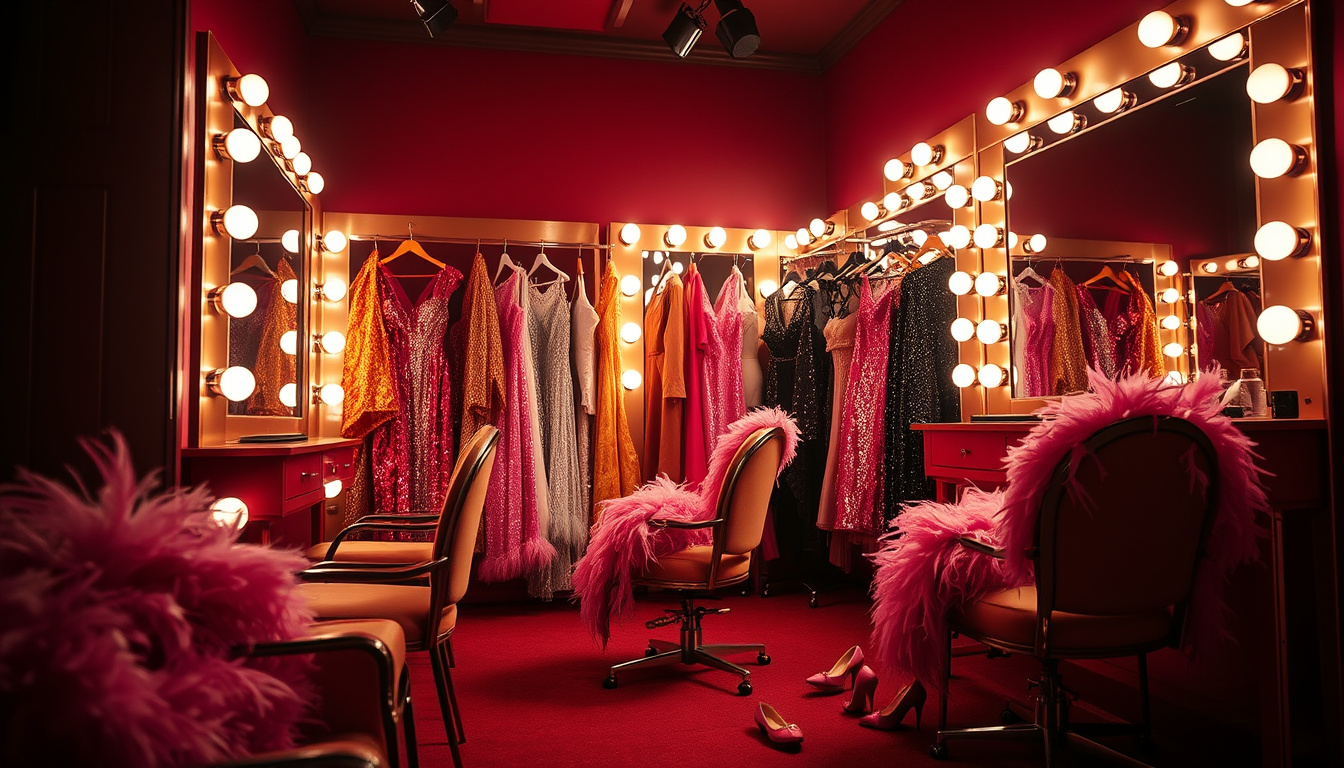

The image of a showgirl—bedecked in feathers, headdresses, and elaborate costumes—remains one of entertainment’s most iconic figures. Yet behind the dazzling spectacle lies a profession demanding rigorous discipline, athletic precision, and unwavering consistency. Understanding the life of a showgirl requires moving beyond the glamour to examine the daily schedules, physical requirements, career paths, and economic realities that shape this unique performance art.
Showgirls have long been associated with Las Vegas, where elaborate revue productions defined the city’s entertainment identity for decades. While the golden era of massive productions has faded, modern showgirls continue performing in scaled-down venues, maintaining traditions that trace back to European cabaret origins. The profession bridges theatrical spectacle and athletic performance, requiring dancers to embody both glamour and endurance.
This examination draws from documented accounts of Las Vegas performers, industry employment data, and historical records to present a factual picture of what showgirl life actually entails. The reality encompasses not just the moments on stage, but extensive preparation, recovery, and the sustained physical demands that characterize long-running residency performances.
What Is a Showgirl and What Do They Do?
A showgirl serves as a performer in revue-style productions characterized by elaborate costumes, synchronized choreography, and theatrical spectacle. Unlike solo dancers or Broadway performers in narrative shows, showgirls function as part of an ensemble creating visual impact through uniformity, precision, and glamour. The role combines elements of dance, modeling, and theatrical presentation within productions that emphasize spectacle over storytelling.
Performer in revue shows featuring elaborate costumes, synchronized choreography, and theatrical presentation
Las Vegas residency theaters, Paris cabarets, and touring revue productions worldwide
Evening performances, typically 6-10 PM, with 1-2 shows nightly at fixed venues
Niche profession with scaled-down productions maintaining the tradition in modern entertainment
- Showgirls function as ensemble performers creating visual spectacle through synchronized movement and elaborate costuming
- The profession originated in European cabaret traditions before becoming synonymous with Las Vegas entertainment
- Modern showgirls treat their work as athletic performance requiring daily conditioning and maintenance
- Residency shows provide schedule consistency but demand endurance for 300+ annual performances
- The role differs significantly from stripping or adult entertainment, focusing on theatrical presentation and dance precision
| Aspect | Details |
|---|---|
| Performance Duration | 75-90 minutes per show |
| Annual Shows | 300-420 performances at fixed venues |
| Weekly Schedule | 5-7 shifts per week |
| On-Site Time | 20-30 hours weekly including preparation |
| Pre-Show Preparation | 60-90 minutes for warm-ups, notes, spacing, hair, makeup, and headdress fitting |
| Physical Demand Level | Elite athletic performance with heavy dance precision requirements |
| U.S. Dancer Median Pay | $23.97 per hour (BLS May 2024); Las Vegas: $27-$32 per hour |
| Career Duration | Average 2-3 years in revue productions |
What Is the Daily Life of a Showgirl Like?
The daily routine of a Las Vegas showgirl operates on a schedule distinctly different from typical nine-to-five employment. Most performances occur during evening hours, with shows typically starting between 6 and 10 PM. However, the actual work extends well beyond the performance itself, encompassing substantial preparation and recovery time that defines the complete daily experience.
Performance Schedule and Venue Time
A typical show runs 75-90 minutes, but performers arrive at the venue hours earlier. For single-show nights, performers spend approximately 3-3.5 hours on-site, while double-show evenings require 5-6 hours of venue time. The pre-show call time of 60-90 minutes accommodates warm-up exercises, artistic direction notes, choreography spacing rehearsals, hair and makeup application, and the precise fitting of headdresses and elaborate costumes.
Following each performance, 15-30 minutes of cooldown and costume reset becomes necessary before performers can depart. This schedule repeats across 5-7 shifts weekly, accumulating to 20-30 hours of actual venue time. Annual totals reach 300-420 performances, establishing a rhythm of work that demands consistent physical and mental preparation.
Showgirls working double-show shifts—a common occurrence at venues like FANTASY where Sunday performances include two shows—endure significantly longer venue days. The concentration of performances in evening hours creates a lifestyle that prioritizes late nights and morning recovery, with most performers sleeping late and dedicating midday hours to personal maintenance and rest.
Physical Conditioning and Daily Maintenance
Modern showgirls approach their craft as elite athletes, treating daily vocal and dance maintenance as essential components of their profession. The repetitive nature of residency shows—where the same choreography executes hundreds of times annually—demands continuous conditioning to prevent injuries and maintain the precision that production quality requires.
Training emphasizes sustaining heavy dance loads within fixed venue environments. Unlike touring performers who face constant travel fatigue, Las Vegas showgirls work from established theaters, but must manage the physical toll of repetition that characterizes long-running productions. This approach differs from pop star touring, where travel fatigue presents the primary hardship, though both demand elite-level physical conditioning.
Off-Days and Personal Time
The profession typically provides 2-3 non-performance days weekly, though these hours often involve recovery activities, medical appointments for injury prevention, and personal maintenance. Some performers supplement their routines with vlogging or social media content that documents their everyday experiences, offering glimpses into a lifestyle that balances artistic commitment with personal sustainability.
How Do You Become a Showgirl?
The path to becoming a showgirl typically begins with a foundation in professional dance, with most performers starting their careers in their early twenties. While no single formal certification or path exists, aspiring showgirls generally build skills through dance conditioning that emphasizes the precision and repetition required for residency productions.
Entry Requirements and Prerequisites
Although specific height requirements vary by production, many Las Vegas venues historically sought performers around 5’9″ or taller. Beyond physical attributes, aspiring showgirls must demonstrate strong technical dance abilities, particularly in styles that support synchronized ensemble performance. The ability to maintain precision across hundreds of repetitions separates professional candidates from those lacking the consistency that residency shows demand.
General U.S. dancer benchmarks provide the closest formal framework, though Las Vegas roles specifically require demonstrated capability for sustained performance without the variability that touring productions introduce. Productions like VEGAS! The Show, FANTASY, and Absinthe maintain standards that reflect the athletic demands of the profession, selecting performers capable of meeting these rigorous expectations.
Training and Skill Development
Dance conditioning forms the core of showgirl training, building the endurance and precision that ensemble revue work demands. Training emphasizes daily vocal and dance maintenance, treating performers as athletes capable of heavy dance loads in fixed venues. Personal accounts from Vegas performers in their twenties describe a “hustle” lifestyle that balances intensive rehearsal with the ongoing physical maintenance that sustains long careers.
While information on specific burlesque training programs remains limited in available sources, the foundation consistently emphasizes technical dance proficiency, physical conditioning, and the ability to perform consistently within ensemble contexts. The transition from traditional dance training to showgirl-specific skills typically occurs through auditions and rehearsal processes within established productions.
Showgirls often begin as professional dancers before transitioning to revue-specific roles. Some performers eventually move into teaching, choreography, or adjacent entertainment fields. Former showgirls have also established glamour experience businesses, creating immersive events that share aspects of the showgirl aesthetic with broader audiences.
What Are the Challenges and Realities of Showgirl Life?
The romantic image of showgirl life contrasts sharply with the physical and professional challenges that define the profession. Beyond the obvious glamour of elaborate costumes and theatrical spectacle, showgirls face demands that require elite athletic conditioning, mental resilience, and careful career management to sustain longevity in the field.
Physical Demands and Injury Risks
Core demands center on precise, repetitive choreography executed as “heavy dance precision” athletes. The same movements repeat hundreds of times annually, creating conditions for repetition injuries that distinguish showgirl work from more varied performance contexts. Daily conditioning becomes essential not merely for performance quality but for physical survival in the profession.
The elaborate costumes and headdresses that define the visual spectacle introduce additional physical considerations. Costume logistics, headdress fitting, and the weight of traditional showgirl attire contribute to the physical burden that performers manage nightly. Unlike pop stars who face travel fatigue, showgirls contend with the sustained physical impact of fixed-venue performance that touring artists can partially avoid.
Overuse injuries from consistent movements represent the primary health risk for showgirls. The combination of repetitive choreography, physical conditioning demands, and costume weight creates conditions where careful injury prevention and recovery management become essential career sustainability factors.
Professional and Lifestyle Challenges
The limited variability inherent in residency shows presents a distinctive challenge. While some performers appreciate the consistency and reliability of fixed schedules, others struggle with the repetition of performing identical choreography for months or years. The 20-30 weekly on-site hours demanding endurance for 300+ annual shows creates a professional context that requires genuine passion for the work to sustain.
Career longevity in revue productions averages 2-3 years, though some performers extend their careers through careful physical management and strategic role selection. The profession demands ongoing commitment to physical conditioning while offering less variety than other dance specialties, creating tradeoffs that aspiring showgirls must consciously evaluate.
Who Are Famous Showgirls and What Is Their History?
The history of showgirls intertwines with the evolution of Las Vegas entertainment, tracing roots to European cabaret traditions before establishing a distinctly American theatrical form. Understanding this evolution clarifies how the profession developed and why its modern incarnation differs significantly from its historical peak.
Historical Origins and European Roots
The showgirl archetype originated in European cabaret and music hall traditions, where elaborate costuming and ensemble presentation defined theatrical entertainment. Paris’s Folies Bergère established foundational conventions that would later influence American productions, emphasizing spectacular costuming, synchronized ensemble work, and theatrical presentation over narrative storytelling.
Las Vegas Golden Era
The Folies Bergère at the Tropicana Hotel (1959-2009) pioneered glamorous, French-inspired revue shows in Las Vegas, establishing conventions with elaborate costumes, feathers, and high kicks that defined the city’s entertainment identity for generations. This production demonstrated how European cabaret traditions could be adapted for American audiences, creating a distinctly Las Vegas entertainment form.
Jubilee (1981-2016) at Bally’s evolved this tradition with similar spectacle until its closure due to declining audience demand. The show represented the final major production maintaining traditional revue conventions, marking the end of an era as entertainment preferences shifted toward more interactive and diverse options.
Modern Showgirls and Contemporary Productions
Showgirls still exist today in scaled-down forms at venues like Absinthe and FANTASY, maintaining the archetype amid evolving entertainment landscapes. Modern productions like VEGAS! The Show (75 minutes) and FANTASY blend burlesque elements with contemporary precision, adapting traditional conventions for contemporary audiences while reducing the massive scale that characterized historical productions.
The transition from historical extravaganzas to modern residencies reflects broader entertainment industry changes. Shorter show durations (75-90 minutes), precise ensemble choreography, and occasional double-show schedules characterize contemporary productions, representing adaptations that preserve core traditions while responding to modern economic and audience expectations.
The Evolution of Showgirl Productions: Then and Now
Comparing historical and modern showgirl productions reveals significant changes in scale, scheduling, and artistic approach. These differences reflect both economic pressures and evolving audience expectations that have reshaped the profession over decades.
| Aspect | Historical Productions (Folies Bergère/Jubilee) | Modern Productions (VEGAS!, FANTASY, Absinthe) |
|---|---|---|
| Show Style | Elaborate revues with massive feathers and large casts | Shorter durations (75-90 min), precise residencies, some doubles |
| Schedule | Multi-night extravaganzas with variable intensity | 5-7 shifts weekly, 1-2 shows nightly, 300-420 annually |
| Physical Demands | High glamour focus with synchronized spectacle | Repetition-focused athleticism with daily warm-ups |
| Production Status | Iconic but closed (Folies Bergère 2009, Jubilee 2016) | Active in niche productions at established venues |
| Costume Scale | Massive, elaborate traditional showgirl attire | Scaled-down versions maintaining traditional aesthetic |
What Information Remains Uncertain About Showgirl Life?
While substantial documented information exists regarding showgirl life, certain aspects remain unclear or poorly documented. Distinguishing established facts from speculation helps provide an honest picture while acknowledging the profession’s inherent opacity.
- Las Vegas showgirl schedule patterns and performance durations
- Historical productions (Folies Bergère, Jubilee) timeline and characteristics
- Physical demands and athletic approach to performance
- U.S. dancer compensation benchmarks ($23.97 hourly median)
- Las Vegas-specific rates ($27-$32 hourly)
- Annual show volumes (300-420 performances)
- Pre-show preparation requirements (60-90 minutes)
- Specific burlesque training program details
- Post-2024 salary data beyond general dancer benchmarks
- Precise success rates for aspiring showgirls
- Complete roster information for current productions
- Detailed injury prevalence statistics
- Long-term career sustainability data
- International production variations beyond Las Vegas
The limited availability of current, detailed information reflects the profession’s niche status and the privacy considerations surrounding individual performers. Available sources provide solid foundation for understanding the profession’s core realities, though gaps remain in granular details that broader research might eventually address.
The Cultural Significance of Showgirls
Showgirls represent more than theatrical performers—they embody specific cultural attitudes toward entertainment, glamour, and the celebration of collective spectacle. The profession’s evolution reflects broader changes in how societies approach theatrical presentation, physical beauty standards, and the economics of live entertainment.
The transition from massive historical productions to contemporary scaled-down versions illustrates how cultural priorities shift over time. While traditional revue shows emphasized extravagance and escapism, modern productions often incorporate self-aware elements acknowledging their own theatrical conventions. This evolution suggests ongoing cultural relevance despite reduced scale, as the fundamental appeal of spectacular ensemble performance continues finding audiences.
Former showgirls who now offer immersive glamour experiences demonstrate how the profession’s aesthetic continues influencing broader entertainment culture. These contemporary interpretations extend showgirl traditions beyond traditional theatrical contexts, suggesting ongoing cultural resonance that transcends the profession’s direct employment numbers.
Industry Perspectives and Professional Insights
Documentation of showgirl perspectives remains limited compared to other entertainment professions, though available accounts provide valuable insights into the lived experience. Personal narratives from Las Vegas dancers, particularly those sharing experiences through vlogs and social media, offer contemporary perspectives on a profession that often remains hidden from public view.
Showgirls treat themselves as elite athletes capable of heavy dance loads in a fixed venue context, emphasizing daily conditioning and maintenance that sustains performance quality across hundreds of annual shows.
Industry documentation from professional dance sources
The professional recognition of showgirl work as athletic performance rather than mere entertainment represents a significant shift in how the profession understands itself. This athletic framing shapes training approaches, injury prevention strategies, and career sustainability considerations that increasingly define modern showgirl practice.
Summary and Professional Outlook
The life of a showgirl combines theatrical tradition with athletic discipline, creating a profession that demands sustained physical performance within spectacular artistic contexts. From pre-show preparation through nightly performances and ongoing conditioning, showgirls navigate demands that extend far beyond moments of stage glamour. While historical productions like Folies Bergère and Jubilee established conventions that shaped Las Vegas entertainment for decades, modern showgirls maintain these traditions in scaled-down forms that adapt traditional spectacle for contemporary contexts. For those drawn to the profession, understanding both the artistic appeal and physical requirements becomes essential for sustainable career development in this demanding field.
The profession continues evolving, with contemporary productions balancing traditional elements against modern expectations. As entertainment preferences shift and production economics change, showgirls who adapt successfully may find opportunities in unexpected contexts, extending the tradition’s cultural relevance beyond its historical peak.
Those interested in related entertainment topics may find value in exploring Helen Mirren movies and TV shows or New on Netflix UK October 2024 for broader entertainment industry perspectives.
Frequently Asked Questions
What do showgirls earn?
U.S. dancer median pay stands at $23.97 per hour according to Bureau of Labor Statistics data from May 2024. Las Vegas showgirls specifically average $27-$32 per hour depending on role and venue. Earnings follow hourly or contracted models, providing steady income compared to touring performers.
Do showgirls still exist?
Yes, showgirls continue performing in scaled-down forms at venues like Absinthe and FANTASY in Las Vegas. While massive historical productions have closed, modern residencies maintain the tradition with shorter shows and adjusted production scales.
What is the daily schedule of a Las Vegas showgirl?
Performers typically work 5-7 shifts weekly with 1-2 shows per night. Each show runs 75-90 minutes with 60-90 minute pre-show preparation. Single-show nights require 3-3.5 hours on-site; double shows require 5-6 hours. Annual totals reach 300-420 performances.
How physically demanding is showgirl work?
Showgirls function as elite athletes performing precise, repetitive choreography. Daily conditioning and warm-ups are essential, with performers facing risks of overuse injuries from consistent movements. The profession demands sustained physical endurance across hundreds of annual performances.
What is the difference between a showgirl and stripping?
Showgirls perform in theatrical revue productions emphasizing synchronized choreography, elaborate costumes, and ensemble presentation. The role focuses on dance precision and theatrical spectacle rather than adult entertainment. Historical and modern showgirl productions maintain clear distinctions from stripping or adult performance contexts.
What happened to the famous Las Vegas shows?
Folies Bergère at the Tropicana operated from 1959 until 2009, pioneering French-inspired revue conventions. Jubilee at Bally’s ran from 1981 to 2016, evolving the tradition until declining audience demand led to closure. These closures marked the end of traditional massive-scale Las Vegas revue productions.
How does modern showgirl work compare to historical productions?
Modern productions feature shorter shows (75-90 minutes versus multi-hour extravaganzas), smaller casts, scaled-down costumes, and greater emphasis on repetition-focused athleticism. While maintaining core revue traditions, contemporary shows adapt for economic realities and changed audience expectations.
Related stories




Thomas Hayes covers Westminster, councils and public policy across the United Kingdom.