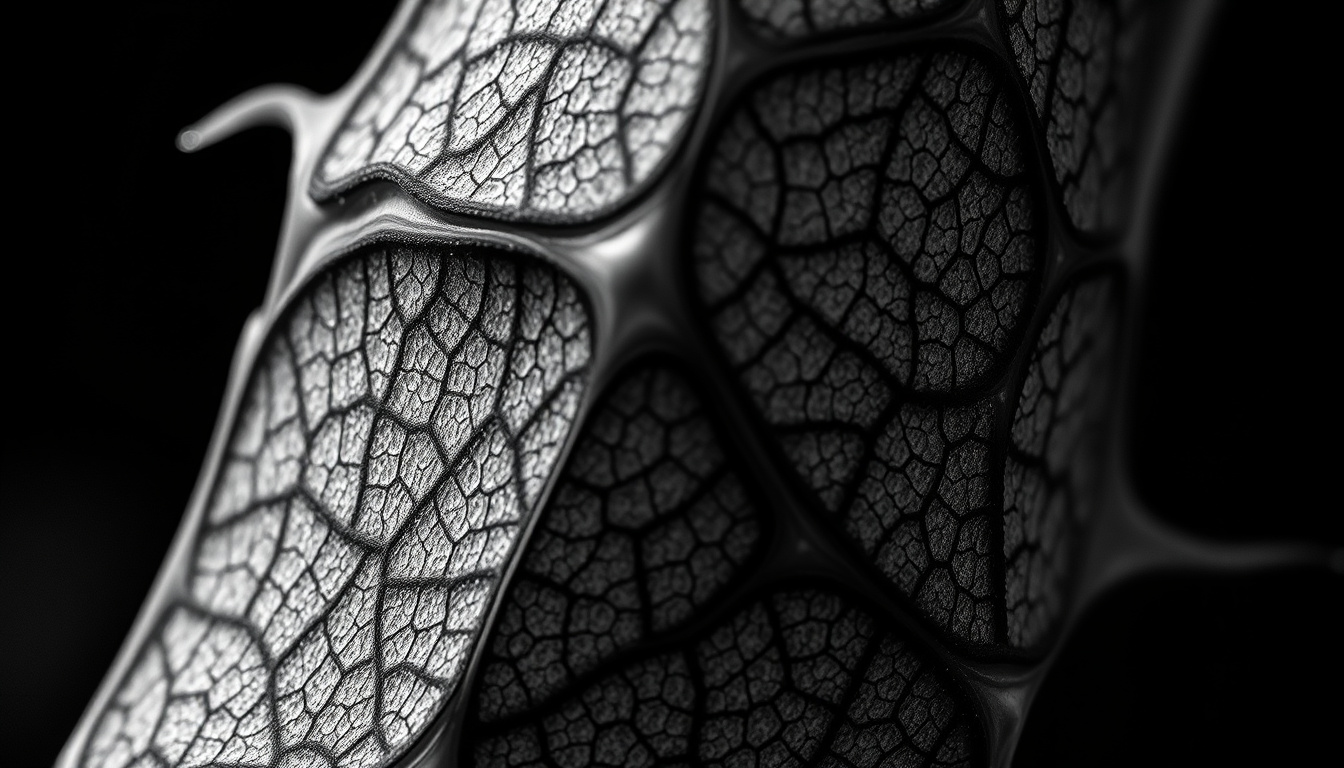
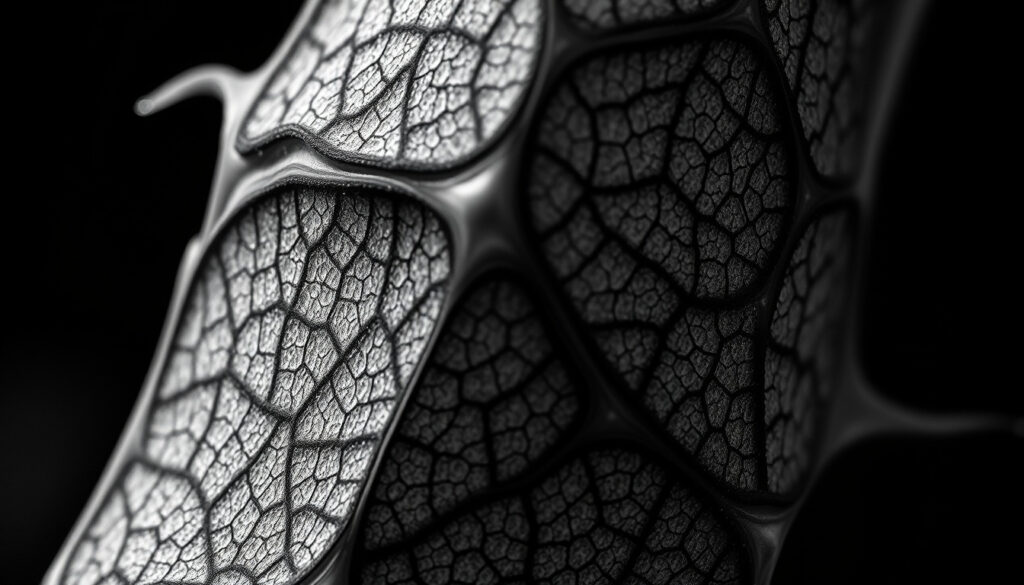
There’s something quietly mesmerizing about a black-and-white close-up of a plant stem—especially when you learn the photographer built his own camera to make it possible. Karl Blossfeldt, a German sculptor turned teacher, took over 6,000 plant photographs with a homemade lens that magnified subjects up to 30 times. What started as a teaching prop became a landmark of modern photography, one that still shapes how we see nature through a lens.
Born: 13 June 1865 ·
Died: 9 December 1932 ·
Famous work: Art Forms in Nature ·
Number of photographs: Over 6,000 ·
Camera magnification: Up to 30x ·
Art movement: New Objectivity (Neue Sachlichkeit)
Quick snapshot
- Blossfeldt photographed plants for over thirty years (International Center of Photography)
- He used a homemade camera with custom magnifying lenses (The Public Domain Review)
- Art Forms in Nature (1928) contained 120 plates (The Public Domain Review)
- Exact number of surviving negatives is not publicly cataloged (Hyperallergic)
- Whether he ever used artificial lighting is debated (Hyperallergic)
- Exact magnification capability of his camera is debated (some sources say up to 30x, others up to 45x) (Hyperallergic)
- The specific lens design of his homemade camera is not fully documented (Hyperallergic)
- 1928: Publication of Urformen der Kunst brought immediate artistic success (International Center of Photography)
- Posthumous acclaim: exhibited by Surrealists and modernists (Whitechapel Gallery)
Here is a summary of the key facts about Karl Blossfeldt.
| Attribute | Value |
|---|---|
| Full name | Karl Blossfeldt |
| Born | 13 June 1865, Schielo, Germany |
| Died | 9 December 1932, Berlin |
| Profession | Photographer, sculptor, teacher |
| Known for | Close-up botanical photography |
| Major book | Art Forms in Nature (Urformen der Kunst) |
| Camera type | Homemade, large-format |
What techniques did Karl Blossfeldt use?
Did Blossfeldt build his own camera?
- Blossfeldt built a series of homemade cameras with interchangeable lenses to examine botanical specimens in unprecedented detail (The Public Domain Review).
- His cameras were large-format and designed specifically for close-up work (Amano Study).
How did he achieve such high magnification?
- His setup allowed magnification up to 30 times the subject’s natural size (SlideShare).
- Some reports claim the camera could achieve up to 45× magnification (Hyperallergic).
What lighting or setup did he use?
- Blossfeldt often used natural light and a simple studio setup, avoiding artificial staging (International Center of Photography).
- His images were composed against plain, neutral backgrounds to isolate the plant forms (International Center of Photography).
Why did Karl Blossfeldt use black and white?
What aesthetic purpose did black and white serve?
- Black and white emphasized contrast, form, and texture without the distraction of color (International Center of Photography).
- His strict photographic style made the images resemble line drawings and enabled direct comparison of forms (International Center of Photography).
Was color photography available to him?
- Color photography existed in the early 20th century but was technically limited and expensive; Blossfeldt deliberately chose monochrome for artistic control (Amano Study).
- His black-and-white images influenced metal design and were celebrated by Surrealists (Whitechapel Gallery).
Blossfeldt’s monochrome choice, born partly of technical necessity, turned out to be the very thing that elevated his plants into timeless architectural forms—something color would have diluted.
Design students in Berlin saw not flowers, but structural blueprints. That pedagogical clarity still defines how botanical photography is used in architecture and industrial design today.
The pattern: technical constraints became aesthetic principles.
How many photos did Karl Blossfeldt take?
How many are published in Art Forms in Nature?
- Blossfeldt took over 6,000 photographs of plants during his career (International Center of Photography).
- Only 120 were published in his lifetime in the book Art Forms in Nature (1928) (The Public Domain Review).
What happened to the negatives?
- Many negatives survived and are held by institutions such as the Museum für Fotografie in Berlin (Bristol Museum & Art Gallery).
- The exact number of surviving negatives is not publicly cataloged.
Why did Karl Blossfeldt do what he did?
What was his educational background?
- Blossfeldt trained as a sculptor and later studied at the Royal Academy of Crafts Museum in Berlin (International Center of Photography).
- He taught for decades at the Kunstgewerbeschule (School of Applied Arts) in Berlin (Whitechapel Gallery).
How did teaching influence his work?
- He created the plant photographs as teaching aids for design students to study natural forms (Whitechapel Gallery).
- His aim was to produce a catalogue of natural forms for artists, craftsmen, and architects (International Center of Photography).
The implication: Blossfeldt never intended to create fine art. His work became art precisely because it was made with a teacher’s eye for structure, not an artist’s ego.
What is an interesting fact about Karl Blossfeldt?
Did he use a microscope?
- Blossfeldt never used a microscope; his magnification came from his custom camera lenses (Hyperallergic).
How did the Surrealists discover him?
- His images were exhibited by the Surrealists, who saw them as proto-surrealist forms (Whitechapel Gallery).
- Walter Benjamin praised Blossfeldt’s plant photographs for revealing forms such as ancient columns in horsetail and gothic tracery in thistles (Hyperallergic).
“I did not intend to create works of art, but to show the forms of nature.”
— Karl Blossfeldt
“Terrifyingly beautiful.”
— Minotaure (Surrealist magazine, 1933)
Blossfeldt’s humility as a teacher meant he stayed obscure for years. The Surrealists’ embrace gave him fame—but it also stripped his work of its original classroom purpose.
The implication: Blossfeldt’s orbit was small, but his pull immense.
Timeline of Karl Blossfeldt’s life and work
- 1865 — Born in Schielo, Germany. International Center of Photography
- 1880s — Apprenticed as a sculptor; studied at the Royal Academy of Crafts Museum in Berlin. International Center of Photography
- 1890s — Began teaching at the Kunstgewerbeschule (School of Applied Arts) in Berlin. Whitechapel Gallery
- 1900–1910 — Developed his homemade camera and started systematic plant photography for teaching use. The Public Domain Review
- 1928 — Published Art Forms in Nature (Urformen der Kunst), containing 120 photographs. International Center of Photography
- 1932 — Died in Berlin. International Center of Photography
- Posthumous — Work gained international acclaim; exhibited by Surrealists and modernists. Whitechapel Gallery
Clarity check
Confirmed facts
- Blossfeldt built his own camera. The Public Domain Review
- He took over 6,000 photographs. International Center of Photography
- Art Forms in Nature was published in 1928. The Public Domain Review
- He taught at the Kunstgewerbeschule. Whitechapel Gallery
What’s unclear
- Exact number of surviving negatives is not publicly cataloged.
- Whether he ever used artificial lighting is debated.
- Exact magnification capability of his camera is debated (some sources say up to 30x, others up to 45x). Hyperallergic
- The specific lens design of his homemade camera is not fully documented.
amanostudy.wordpress.com, slideshare.net, moma.org, bristolmuseums.org.uk, en.wikipedia.org, archive.org, youtube.com, southbankcentre.co.uk, canadianinsight.net
His homemade camera and meticulous technique are further explored in a dedicated piece on Karl Blossfeldts plant photography.
Frequently asked questions
What was Karl Blossfeldt’s profession?
He was a photographer, sculptor, and teacher of applied arts in Berlin.
Is Karl Blossfeldt considered a modernist photographer?
Yes, his work is associated with New Objectivity (Neue Sachlichkeit) and influenced modernist design.
Where can I see Karl Blossfeldt’s original prints?
Major collections include the Museum für Fotografie in Berlin, the International Center of Photography in New York, and the Whitechapel Gallery in London.
What is the meaning of “Urformen der Kunst”?
German for “Art Forms in Nature” or “Primordial Forms of Art.”
Did Karl Blossfeldt ever use color film?
No, all his known photographs are black and white.
Who influenced Karl Blossfeldt’s photographic style?
His training as a sculptor and his desire to teach natural forms to design students shaped his approach.
How did Karl Blossfeldt’s photographs impact design education?
They became a standard reference for studying organic structures in architecture, metalwork, and textile design.
What museums hold Karl Blossfeldt’s work?
Museum für Fotografie (Berlin), ICP (New York), Bristol Museum & Art Gallery, and private collections.
For design students, architects, and photography enthusiasts, Blossfeldt’s lesson is clear: the most enduring art often starts as humble teaching material. Whether you are building a portfolio or a curriculum, his black-and-white plant studies remain a masterclass in seeing structure before ornament.
Related reading: Pam Hogg: Biography, Designs, and Legacy · Burning Man: Purpose, Rules, and 2026 Event Guide
Related stories



Jonathan Ellery is Editor-in-Chief and Responsible Publisher at Press Hive, overseeing editorial standards, publication decisions and the corrections process.