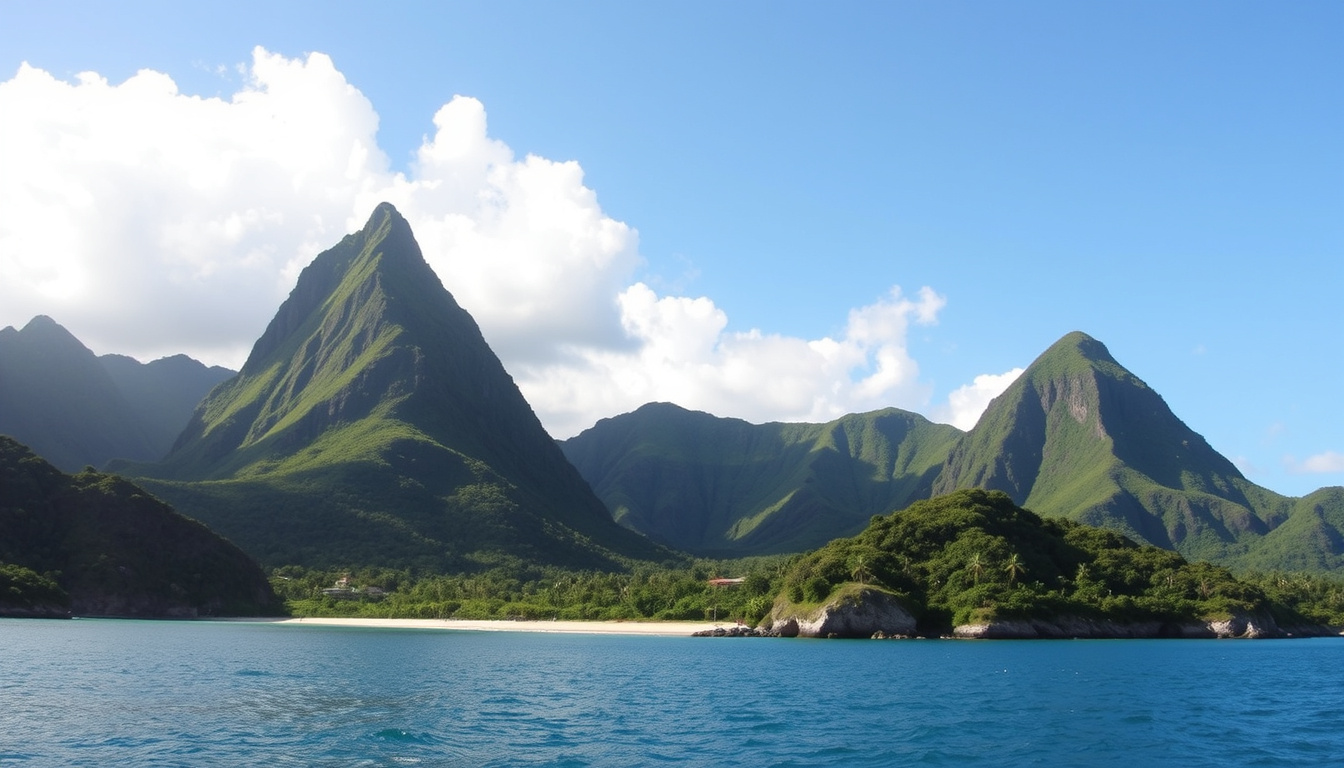
If you’ve been comparing Caribbean honeymoon spots, Saint Lucia keeps pulling you back to the same two images: the twin Pitons over the sea, and a resort doing all the work for you. It also has genuinely confusing safety signals — the U.S. Department of State listed the island at Level 1 in August 2024 (U.S. Department of State (official advisory levels)), while the U.S. Embassy in Bridgetown added a Level 2 advisory on 10 July 2026 over crime (U.S. Embassy Bridgetown (consular security advisory)). This guide separates what’s confirmed from what’s still unclear — including how Saint Lucia stacks up against Barbados and Turks and Caicos.
Official name: Saint Lucia ·
Capital: Castries ·
Area: 617 sq km (238 sq mi) ·
Population: ~180,000 ·
Main airports: UVF (Hewanorra) and SLU (George F. L. Charles) ·
Drive side: Left
Quick snapshot
- Saint Lucia is an independent Commonwealth realm — it is not a U.S. territory (U.S. Department of State (official country information)).
- Most visits are trouble-free, says the UK Foreign Office (UK Foreign, Commonwealth & Development Office (UK government travel guidance)).
- English is official; the East Caribbean dollar is the local currency; travel insurance is recommended but not required (Saint Lucia Tourism Authority (national tourism office)).
- Whether recent court rulings have changed enforcement of the buggery and serious indecency provisions.
- The official position on same-sex couples arriving from cruise ships.
- Which celebrities, if any, hold permanent full-time residence.
- The State Department’s advisory page listed Level 1 (normal precautions) as of 22 August 2024.
- The U.S. Embassy in Bridgetown issued a Level 2 advisory on 10 July 2026, citing crime (U.S. Embassy Bridgetown (consular security advisory)).
- Robberies can spike around the May Jazz and Arts Festival and July Carnival (UK Foreign, Commonwealth & Development Office (UK government travel guidance)).
- Re-check the U.S. State Department and UK Foreign Office pages the week you travel.
- Plan around the June-to-November hurricane season.
- Decide the island comparison early: Saint Lucia vs Barbados vs Turks and Caicos.
Key facts
Ten fields, one pattern: this is an independent nation with Commonwealth structures, its own currency, and English as the working language — the assumptions travellers bring are the ones to unlearn.
| Official name | Saint Lucia |
|---|---|
| Capital | Castries |
| Government | Commonwealth realm; parliamentary democracy |
| Head of state | Monarch of the United Kingdom, represented by a Governor-General |
| Currency | East Caribbean Dollar (XCD); U.S. dollars widely accepted |
| Official language | English; French-based Patois widely spoken |
| Population | ~180,000 |
| Area | 617 sq km (238 sq mi) |
| Main airports | UVF (Hewanorra) and SLU (George F. L. Charles) |
| Drive side | Left |
The quickest tell: the island drives on the left, anchors its politics to the British monarchy, and prices things in Eastern Caribbean dollars. None of that makes it part of the United States.
Is Saint Lucia under the USA?
No — and it’s the most persistent myth in Caribbean travel threads. Saint Lucia is an independent Commonwealth realm: the British monarch is head of state, represented by a Governor-General, and the island has governed itself since independence on 22 February 1979 (U.S. Department of State (official country information)). The United States has no sovereignty over Saint Lucia.
The confusion is understandable: English is the default language, U.S. dollars are accepted in most tourist businesses, and the island’s institutions look familiar to American visitors. But familiarity isn’t sovereignty. The national tourism office is clear on the paperwork: every foreign national needs a valid passport, travel insurance is strongly recommended though not required, and the official currency is the East Caribbean dollar — U.S. dollars work in practice but have no official status (Saint Lucia Tourism Authority (national tourism office)).
Is homosexuality illegal in Saint Lucia?
- The law: the criminal code still criminalises buggery and serious indecency — provisions historically applied to male same-sex acts.
- The practice: enforcement against consenting adults is rare, and same-sex couples face few visible restrictions in resorts and tourist areas.
- The open question: how those provisions would be applied today, and the official position on same-sex couples arriving by cruise ship, remains unresolved.
For LGBTQ+ travellers, the gap between law and practice is the story. Recent court rulings have raised questions about how the law is applied, but the practical effect — enforcement decisions, official guidance, and the cruise-ship question — is not settled. Resorts and tourism businesses are generally welcoming; the legal climate is more conservative than in the U.S. or UK.
Practical advice for same-sex couples: treat the island as a socially conservative Caribbean destination. Resorts and tourist zones are relaxed, but discretion in public still matters, and the law offers no explicit protection. Most visits pass without incident — the risk is legal ambiguity, not open hostility.
Confirmed facts
- Saint Lucia is independent, English-speaking, and uses the East Caribbean dollar — the administrative basics are easy.
- Official advisories treat the island as higher-risk than its marketing suggests.
- Visitor incidents skew toward opportunistic theft and scams more than targeted violence.
What’s unclear
- Whether recent court rulings have changed enforcement of the buggery and serious indecency provisions.
- The official position on same-sex couples arriving from cruise ships.
- How the State Department’s Level 1 listing and the embassy’s Level 2 advisory reconcile.
- Which celebrities, if any, are permanent residents rather than frequent visitors.
What this means: for most visitors, Saint Lucia’s political status is a trivia answer, not a travel issue. For LGBTQ+ travellers, it’s the one question worth researching before you book — the island’s warmth in practice coexists with a legal code that hasn’t caught up.
Is it safe to go to St. Lucia now?
For most visitors, yes — with the same precautions you’d take anywhere in the Caribbean. The official signal is genuinely mixed, and that’s the point: the Government of Canada documents murders, sexual assaults, robberies, and gang-related violence on the island (Government of Canada (official travel advice)), while the U.S. Department of State counts petty crime, burglary, car break-ins, and violent crime as real risks — and warns that the tourism industry is unevenly regulated, with safety inspections of equipment and facilities uncommon (U.S. Department of State (official country information)). The UK Foreign Office’s line, that most visits are trouble-free, is the other side of the same picture (see the snapshot above).
The advisory signal has also tightened since 2024, which is why “is it safe now?” is the right question to ask. Levels moved from Level 1 to Level 2 inside two years, so check the official pages the week you travel, not the week you book.
What should I be careful of in St. Lucia?
- Theft from vehicles and rooms: opportunistic theft is the most common visitor problem; keep valuables out of sight and lock rental cars.
- Isolated places after dark: avoid walking alone on beaches and poorly lit streets; stick to well-lit resort areas and main roads at night.
- Taxis and fares: use clearly marked taxis and agree the fare in East Caribbean dollars before the ride starts.
- Overcharging and scams: get prices in writing for tours, boat rides, and transfers; tourist areas have a reputation for creative pricing.
- Adventure activities: safety inspections of tour equipment are not routine, so ask operators directly about maintenance and safety records.
- Hurricane season: runs from June through November, and travel insurance is the standard hedge (Government of Canada (official travel advice)).
- Event crowds: robberies can spike around the May Jazz and Arts Festival and July Carnival, when big crowds gather (see timeline signal above).
The gap between the State Department’s Level 1 listing and the embassy’s Level 2 advisory isn’t a contradiction — it’s the signal. Official macro-level advice moves slowly; security messages move faster. Check both the week you travel.
Is St. Lucia expensive?
Comparatively, yes. A realistic planning range — not an official figure — is US$200–$400 per day for a mid-range couple before flights; rooms, meals, excursions, and transfers absorb that quickly. The northwest coast is dominated by all-inclusive resorts, and for many travellers the package price beats paying per meal at hotel restaurants.
A cheaper version of the island exists: local restaurants, guesthouses outside the resort corridor, and self-catering apartments. The catch is that groceries are expensive because most food is imported, so cooking in saves less than travellers expect.
At $200–$400 a day, you’re paying for scenery: the Pitons, rainforest hikes, and a resort ecosystem built for romance. The question isn’t whether Saint Lucia is worth it — it’s whether the view premium beats the logistics of Barbados or the sand of Turks and Caicos.
Is St. Lucia a good place to vacation?
- Best for: couples, honeymooners, hikers, and travellers who want scenery outside the resort gates.
- Not for: budget beach bums, serious surfers, and ultra-cheap backpackers — other islands do cheap and surf better.
- First-timers: base in Rodney Bay or Soufrière, plan 5–7 days, book a guided Piton hike — and bring trail-tested hiking shoes for the steep, slick sections.
Upsides
- Scenery with actual wow: the Pitons, the rainforest, and volcano-side Soufrière.
- A mature all-inclusive ecosystem that simplifies budgeting.
- Strong couples and honeymoon infrastructure — private pools, beach dinners, spa packages.
- Easy to fill 5–7 days without repeating an activity.
Downsides
- Mid-range costs run US$200–$400 per day for a couple before flights.
- Imported groceries make self-catering pricier than expected.
- Few genuinely cheap eats outside local lunch spots.
- Nightlife is resort-centred, not a club scene.
The trade-off: Saint Lucia converts scenery into pricing. You can spend less on flatter islands, but the Pitons, the rainforest, and the couples infrastructure are what the premium buys.
Which is nicer, Barbados or St Lucia?
“Nicer” depends on what you want to do each morning. Barbados is easier to get around and has a wider dining scene; Saint Lucia delivers far more dramatic inland scenery and a bigger luxury-resort ecosystem. The table below lines up both islands, plus Turks and Caicos, because that’s the other honeymoon default travellers ask about.
Three islands, one pattern: the one with the best beaches is the flattest, the most scenic is the least easy to get around, and the one that looks most exclusive is the most expensive.
| Dimension | Saint Lucia | Barbados | Turks and Caicos |
|---|---|---|---|
| Landscape | Dramatic: Pitons, rainforest, volcano views | Gentle: beaches, gardens, plantation houses | Flat: low-lying cays and turquoise shallows |
| Beaches | Good, but the wow factor is inland | Wide and varied, with calm and surf sides | Exceptional white sand and snorkelling |
| Cost level | Mid-range to premium | Mid-range, with more dining choice | Premium; typically the most expensive |
| Honeymoon vibe | The classic luxury-resort pick | Easy-going and well organised | Private-villa luxury niche |
| Best for | Couples, hikers, resort fans | First-timers, foodies, families | Beach lovers, snorkellers, divers |
Put a budget line under the brochure comparisons. Turks and Caicos wins on sand and snorkelling but runs the highest bill. Saint Lucia wins on scenery and resort romance. Barbados wins on logistics and dining variety. For a first Caribbean trip with children, Barbados is the sensible pick; for a honeymoon that wants a view and a pool, Saint Lucia is hard to beat.
What is better, Turks and Caicos or St. Lucia?
- Beaches: Turks and Caicos, clearly.
- Scenery: Saint Lucia, clearly.
- Cost: Saint Lucia, in most cases.
- Honeymoon feel: both deliver; Saint Lucia is more classic, Turks and Caicos more exclusive.
The right answer falls out of your priorities. Beach-and-water-sports days point to Turks and Caicos; rainforest-and-volcano days point to Saint Lucia. If the itinerary is built around snorkelling and barefoot luxury, choose Turks and Caicos. If you want variety — a Piton hike one morning, a rainforest trail the next — Saint Lucia gives you more to do per day.
What is filmed in St Lucia?
Saint Lucia’s screen history goes back further than most people expect. The 1967 Dr. Dolittle was shot on the island, and the Pitons and rainforest have served as backdrops for international film and TV productions since. For visitors, the practical version of this trivia is simple: the scenery that looks cinematic in movies is the same scenery you can drive to in an afternoon.
The check on celebrity hype: famous visitors get reported in interviews and celebrity media, but no major celebrity is conclusively and permanently a Saint Lucian resident. The distinction matters because “celebrity homes” content drives a lot of travel searches — and most of it is recycled rumour rather than verified public record.
What celebrity lives in St Lucia?
Celebrity buzz moves bookings, but verified permanent residence is a much smaller category. Treat “celebrity lives in St Lucia” as marketing energy, not confirmed fact — the scenery is the actual star, and it’s free to look at.
The honest answer to “what celebrity lives in Saint Lucia?” is usually “a famous visitor, not a confirmed resident.” That’s not a knock on the island — it’s a correction to search results that over-promise celebrity connections. The verifiable draw is the film history and the Pitons, which show up in more productions than any single celebrity.
Why this matters: the island markets itself through imagery, and the imagery is real and public. You can stand where a film crew stood — no private estate required.
Does St. Lucia have a nightlife?
Yes, but it’s concentrated in the northwest corridor. Gros Islet’s Friday Night Street Party — “Jump Up” — is the island’s signature weekly event: food stalls, local rum, street music, and dancing that rolls late into the night around the main road. Rodney Bay, a short drive south, is the resort-nightlife district, with beach bars, lounges, and the St. Lucia Harbour Club casino keeping things going after dinner.
Outside that corridor, things quieten down fast. Soufrière and the east coast run to local bars and restaurant live-music nights rather than club scenes, and resorts fill the gap with steel-pan bands, theme nights, and bonfires on the beach — which is exactly the right energy for most couples.
What are the best nightlife spots in Saint Lucia?
- Gros Islet: Friday Night Street Party (“Jump Up”) — the island’s most famous recurring night out.
- Rodney Bay: beach bars, lounges, and the St. Lucia Harbour Club casino.
- Resort grounds: steel-pan sets, shows, bonfires, and beach dining once you’re staying.
- Soufrière: quieter evening bars with a mostly local crowd.
If you’re here for the Saint Lucia Jazz and Arts Festival in May or Carnival in July, nightlife gets a serious boost — both events pull big crowds, and as the timeline signal above notes, opportunistic robberies can spike around large-scale events.
The trade-off: Saint Lucia’s nightlife is built around street parties and resort lounges, not mega-clubs. Come for a Friday in Gros Islet; don’t come expecting a waterfront Las Vegas.
What the advisories say
Two official voices, two different temperatures: the consular warning on one side, the national government’s caution on the other. Read both with the marketing material muted.
“Violent crime can occur anywhere in Saint Lucia, and tourists should beware of overcharging and scams in tourist areas.”
— U.S. Embassy Bridgetown, consular security advisory, 10 July 2026
“Incidents of murders, sexual assaults, robberies, and gang-related violence have occurred, and some travellers may be told not to travel when the risk is high.”
— Government of Canada, official travel advice for Saint Lucia
Saint Lucia’s strengths are easy to find — the Pitons, the rainforest, and a resort scene built for couples — and its weaknesses are just as real: premium pricing, mixed advisory signals, and a legal climate that lags its welcoming tourism economy. The marketing photos skip all three. For the cautious traveller weighing Caribbean options, the decision is clear: book Saint Lucia for the scenery and the resort experience, with a realistic US$200–$400-per-day budget in hand — or wait until the advisory gap narrows and the price line matches the island’s premium positioning.
stlucia.org, stlucia.org, stlucia.org, stlucia.org, stlucia.org, stlucia.org
Frequently asked questions
What is the best time to visit Saint Lucia?
December through April is the most dependable window, sitting outside the June-to-November hurricane season noted in official travel advice. Expect peak prices in winter; May–June and November are quieter compromises.
Do I need a visa for Saint Lucia?
Visa requirements depend on your nationality and planned length of stay. Every foreign visitor needs a valid passport, so confirm entry rules with the official traveller guide before you book — visa rules can change with little notice.
Can I use US dollars in Saint Lucia?
In tourist areas, yes — U.S. dollars are widely accepted, though change often comes in East Caribbean dollars. The official currency is the East Caribbean dollar, and paying locally usually means simpler pricing and fewer rounding surprises (Saint Lucia Tourism Authority (national tourism office)).
Do I need to rent a car in Saint Lucia?
Not necessarily — taxis and resort shuttles cover the main routes, and driving is on the left, which catches many visitors off guard. If you do rent, bring your licence and passport: visitors without a Saint Lucian licence need a temporary driving permit, currently EC$54 or US$20, with a passport-size photo (UK Foreign, Commonwealth & Development Office (UK government travel guidance)).
How many days do I need for Saint Lucia?
Plan five to seven days for a first visit — enough for a Piton hike, a Soufrière day, a resort base, and at least one genuinely lazy beach morning. Fewer than four days works for a resort-only stop, but you’ll miss the inland scenery that makes the island distinctive.
What should I know about the current travel advisory?
The signal is mixed: the U.S. State Department listed Saint Lucia at Level 1 as of August 2024, while the U.S. Embassy in Bridgetown followed with a Level 2 advisory on 10 July 2026 citing crime. Canadian and UK guidance adds its own caution. Check the official pages the week you travel — the risk picture moves faster than resort marketing.
Related stories




Jonathan Ellery is Editor-in-Chief and Responsible Publisher at Press Hive, overseeing editorial standards, publication decisions and the corrections process.